
It feels like conversations about mental health are everywhere right now.
Anxiety. Burnout. Depression. The growing need for support.
As a psychologist, I’m grateful these conversations are happening. So many people are finding the courage to speak up and ask for help.
But alongside the question of how we support people who are struggling, there’s another one I keep coming back to:
How can we help build better mental health before a crisis begins?
I don’t think the answer sits only in a therapy room. It also sits in our everyday relationships. In how we speak to each other, handle conflict, raise our children and make people feel safe and loved.
Think about the ordinary moments at home.
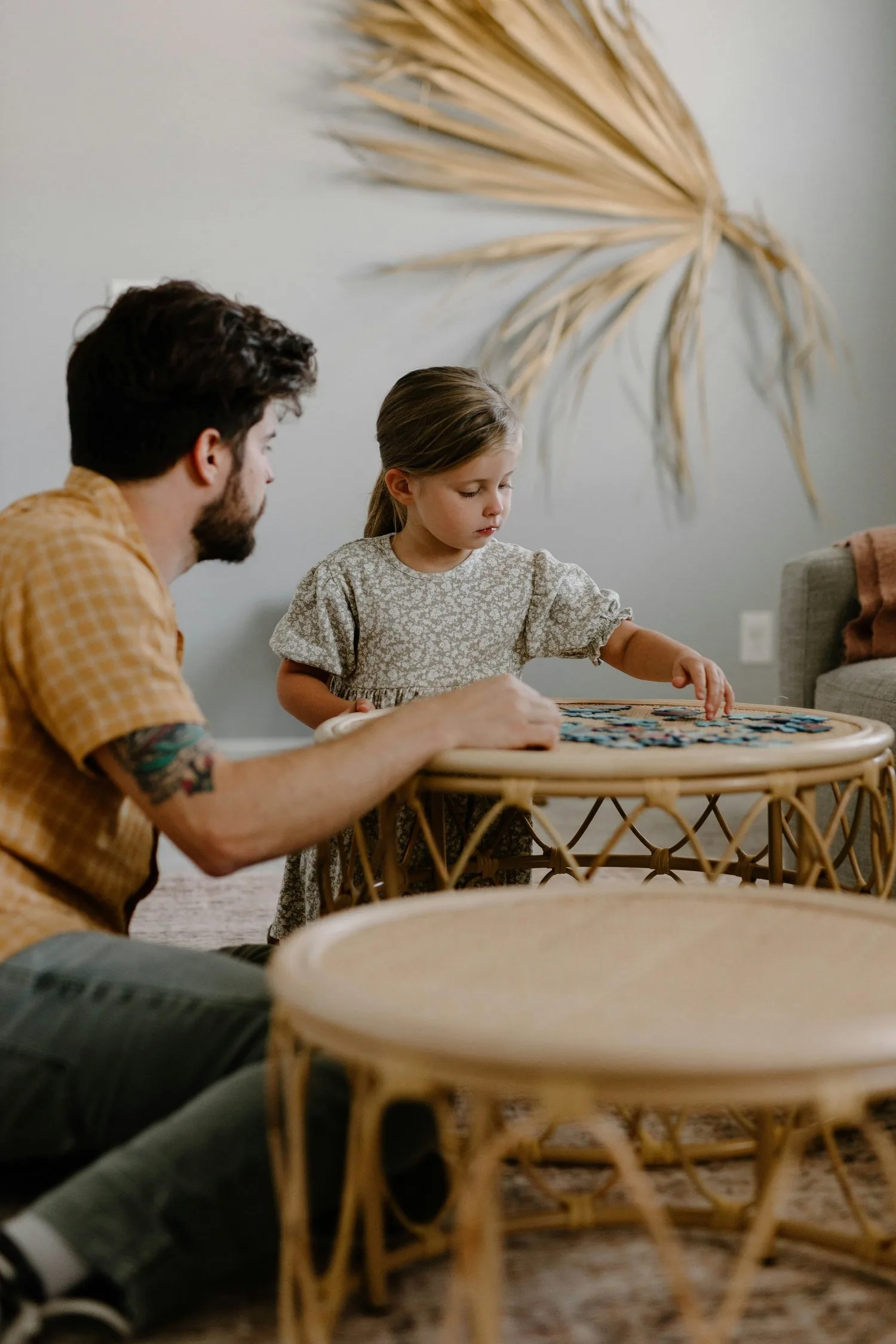
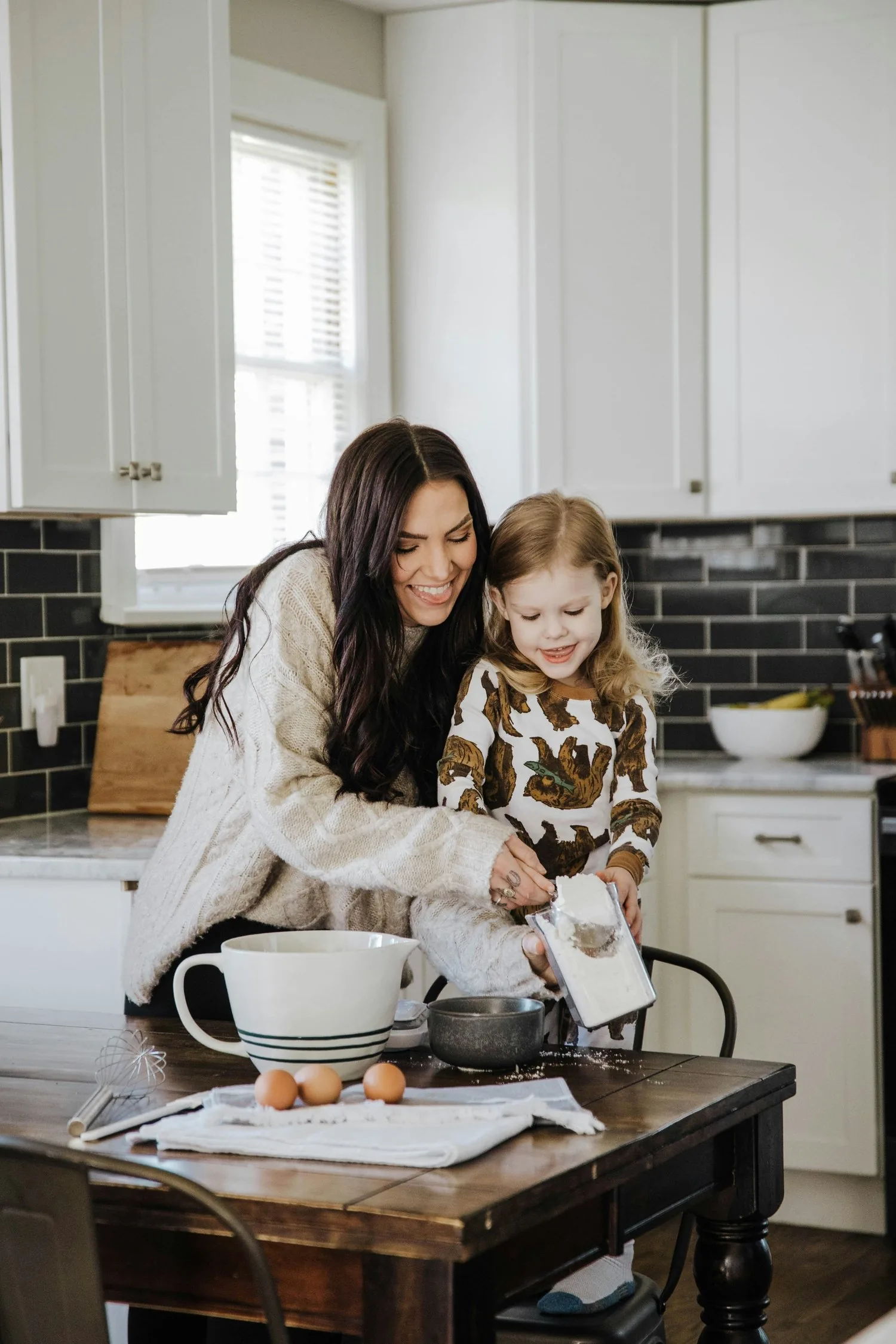
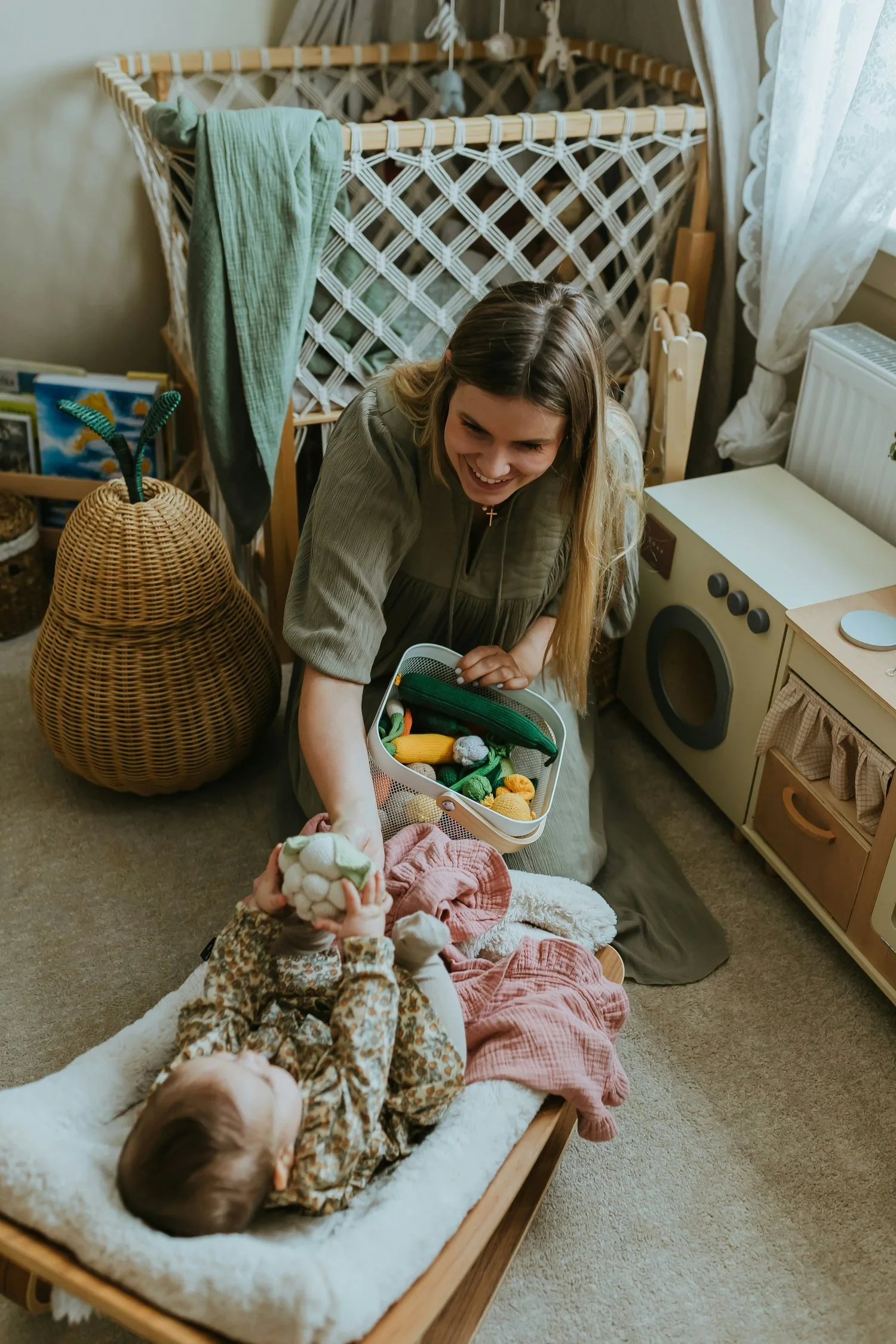
A parent who makes time to listen.
A partner who offers reassurance after a hard day.
A family who knows how to apologise and reconnect after an argument.
They may seem like small things. But over time, these are some of the experiences that help build confidence, emotional skills and a sense of belonging.
Of course, mental health is complex. Genetics, biology, money pressures, trauma and many other influences matter. A loving home cannot prevent every mental health condition, and it is never fair to blame families for someone’s struggles.
Still, we can do more than respond when things become overwhelming. And one of the most meaningful places to begin is at home.
Prevention, not just treatment
When it comes to physical health, we understand the value of prevention. We talk about sleep, movement and nutrition, not only what to do once we become unwell.
Yet so much of the mental health conversation centres on what happens after someone begins struggling. How do we treat anxiety? How do we manage depression? Which therapy should we use?
These are important questions. But I think we should also be asking:
- How do we raise emotionally healthy people in the first place?
- What helps children develop resilience, confidence and a secure sense of self?
- How can our relationships become a source of stability rather than ongoing stress?
We cannot prevent every mental health difficulty. Nor should we assume that someone living with mental illness must have come from an unhealthy home.
Intervention helps us respond when things go wrong. Prevention helps us build the foundations that support us before they do.
Emotional safety starts at home
When I think of a healthy home, I don’t picture a family that never argues or a parent who always says the perfect thing.
I picture a place where people know they can be honest about how they feel and still be loved.
Emotional safety is knowing you can express your feelings, make mistakes and be vulnerable without being humiliated, threatened or rejected.
For a child, that might be a parent who listens when they’re upset, even when the reaction seems out of proportion.
For a couple, it might be raising a concern without fearing criticism, contempt or payback.
Emotionally safe homes aren’t necessarily quiet homes. They still have disagreements, disappointment and hard feelings. The difference is that those things don’t threaten anyone’s worth or place in the family.
And emotional safety doesn’t mean no boundaries. Healthy homes can hold expectations, accountability and consequences while keeping dignity, empathy and respect.
A healthy home isn’t one where nobody gets upset. It’s one where people can feel hard things and still feel safe, valued and connected.
Secure relationships help us feel safe
One of the most reassuring things about attachment research is that the relationship matters more than getting every moment right.
From infancy, children learn about trust through repeated experiences of being noticed, comforted and cared for. When caregivers are generally responsive, consistent and emotionally available, children are more likely to sense that their needs matter and that other people can be trusted.
Secure attachment doesn’t mean a child never feels anxious or upset. It gives them a safe base to explore the world from, come back to for comfort, and slowly grow more independent.
And attachment isn’t fixed forever. Later relationships and experiences can shape how we see ourselves and connect with others.
We don’t need to be perfect parents. What matters is the broader pattern of warmth, responsiveness and repair over time.
Our children don’t need us to get everything right. They need to know they can turn to us when things go wrong.
The way we speak to each other matters
Have you ever noticed how a few words from someone you love can stay with you for years?
The way we’re spoken to at home can become part of the way we learn to see ourselves.
Children who are constantly criticised, compared, or made to feel that love depends on achievement may start to tie their worth to their performance. They might grow up believing:
- I’m only good enough when I succeed.
- I have to keep everyone happy.
- Making mistakes means I’ve failed.
- My needs aren’t as important as everyone else’s.
When children experience warmth, encouragement, fair boundaries and unconditional care, they have the chance to develop a more secure sense of worth.
That doesn’t mean constant praise. Healthy self-esteem also grows through effort, responsibility, real competence and learning to handle mistakes.
One of the most valuable messages we can give, to children and adults alike, is this:
You are loved and valued, even when you get things wrong.
Speak to the behaviour, not the identity
So much of life is shaped by the stories we tell ourselves.
“I matter."
"I’m too much."
"I have to earn love.”
Often, those stories begin in ordinary relationships.
A child who keeps hearing they’re difficult may start to see themselves as a problem. Someone who grew up overlooked may struggle to believe their voice matters. A person whose emotions were regularly dismissed may learn to distrust their own feelings.
Our identity isn’t set in stone by childhood. We keep growing and changing throughout life. But this is why the language we use at home matters.
We can speak about behaviour without turning it into identity.
Instead of “You’re so naughty,” try: “That wasn’t okay. Let’s work out how to handle it differently.”
Instead of “You’re too sensitive,” try: “I can see that really affected you. Let’s talk about it.”
Small changes. But they separate a person’s worth from their behaviour or their feelings.
The words we speak at home can become the way people learn to speak to themselves.
Everyone needs somewhere they belong
Most of us know what it’s like to walk into a room and wonder whether we really belong. And we know the relief of being with people where we can simply be ourselves.
Belonging doesn’t mean everyone in a family is alike or agrees about everything. It means knowing that differences, mistakes and hard seasons don’t put our place at risk.
For children, belonging might look like family traditions, real conversations and regular time together.
For teenagers, it may mean knowing they can share a struggle or admit a mistake without being met with instant judgement.
For adults, it might be knowing they don’t have to be strong, successful or endlessly available to deserve connection.
Sometimes belonging is said in the smallest ways.
An invitation to join the conversation.
Someone noticing you’ve had a hard day.
A simple thank you.
We all need places where we don’t have to earn our right to belong.
Connection matters more than perfection
We can be surrounded by people and still feel alone.
You can live in a busy household and feel deeply lonely. You can have plenty of conversations and never feel truly understood.
Real support is being able to turn towards someone and trust they’ll respond with care. That matters most in stressful seasons: a new baby, illness, money worries, big life changes.
Home can be a foundation of support, but our wider circle matters too. Friends, extended family, community groups and professional support all play a part. And for people whose homes haven’t been safe or supportive, those relationships can be especially important.
Connection isn’t about having lots of people around us. It’s about having people we can genuinely turn to.
Emotional regulation is learned in relationship
If you’ve ever tried to calm an upset toddler while running on very little sleep, you’ll know this is easier said than done.
Emotional regulation is our ability to notice, understand and respond to emotions in ways that help rather than harm. It’s a skill we keep learning, even as adults.
Children don’t arrive knowing how to manage frustration, disappointment, fear or anger. They learn gradually, through brain development, experience and the support of the adults around them.
When a parent stays calm and responsive during a child’s distress, they’re lending the child their own steadiness. Psychologists call this co-regulation. Over time, children take some of those skills on as their own. (More on this in Your Calm Is Contagious.)
But children learn regulation not only from what we teach. They learn it from what we model: how we manage frustration, respond to stress, handle conflict and recover after hard moments.
That doesn’t mean we’ll never lose our temper. It means we get the chance to show what repair looks like:
“I was frustrated earlier and I raised my voice. I’m sorry. Next time, I’m going to take a moment to calm down before we talk.”
That’s emotional regulation in action. It’s also accountability, humility and repair.
We teach emotional regulation best when we practise it ourselves, not just when we expect it from others.
Helping children know they can handle hard things
As parents, it’s so tempting to smooth out every difficult moment. None of us likes watching someone we love feel disappointed, left out or frustrated.
But resilience isn’t built by removing every obstacle. It’s the confidence and skill to move through difficulty when it comes.
Children need age-appropriate chances to feel frustration, solve problems, make mistakes and try again, with encouragement and guidance alongside them. (I’ve written more about this in Raising Anti-fragile Kids.)
When we constantly rescue children from discomfort, we can accidentally take away their chance to build confidence in their own abilities. But leaving them alone with something overwhelming doesn’t build resilience either.
The goal is the right balance of challenge and support. To say:
I know this is hard.
I believe you can learn to handle it.
And I’m here to help.
The same is true for adults. Resilience isn’t pretending things don’t hurt or refusing to ask for help. It’s having the coping skills and the people to help you find your feet again.
Healthy homes are built through everyday choices
The good news? A healthier home doesn’t need perfect parents, partners or people.
Much of it happens in the small moments we repeat every day:
- Listening when someone speaks.
- Taking responsibility after an argument.
- Making time for connection.
- Showing affection.
- Respecting boundaries.
- Encouraging independence.
- Talking openly about feelings.
- Celebrating effort over perfection.
- Making it safe to ask for help.
None of these need a perfect family. They need intention, consistency and a willingness to keep learning.
And the wellbeing of parents and carers matters too. When adults are overwhelmed, unsupported or struggling with their own mental health, staying responsive at home gets much harder.
Supporting families means supporting the people who care for them.
Sometimes the healthiest thing a parent can do is seek help, share the load, set boundaries or look after their own mental health. A healthy home isn’t one person carrying everyone’s emotional needs. It’s care, respect and responsibility shared.
A healthier future starts with what we build today
I’m grateful for the therapies, medications and mental health professionals helping people through incredibly hard seasons. We need accessible, evidence-based treatment, and we need to keep improving it.
But if we want a healthier future, we also have to look beyond what happens after someone reaches breaking point. We need to pay attention to the ordinary experiences that shape how people feel about themselves and others, long before they ask for help.
Homes where people feel safe.
Relationships where mistakes can be repaired.
Families where feelings can be spoken.
Not every mental health condition can be prevented, and even the most loving families face real struggles. A healthy home won’t prevent every hard season. But it can give us the relationships, skills and support to move through them.
We can’t solve the mental health crisis through family life alone. But we shouldn’t overlook the role of everyday connection, care and emotional safety either.
It starts with small, consistent choices, and with making sure families have the support they need to make them.
If you’re carrying patterns from your own childhood into your parenting, you might find Give Them What You Didn’t Have a helpful next read.
If you or your child are in crisis or worried about safety, call Lifeline on 13 11 14, Kids Helpline on 1800 55 1800, or 000 in an emergency.
Common questions
Can a healthy home prevent mental health problems?
Not every one. Genetics, biology, money pressures, trauma and many other influences matter, and it is never fair to blame families for someone's struggles. But ordinary moments at home, like being listened to, feeling reassured and reconnecting after an argument, can help build confidence, emotional skills and a sense of belonging.
What is emotional safety at home?
Emotional safety is knowing you can express your feelings, make mistakes and be vulnerable without being humiliated, threatened or rejected. It doesn't mean no disagreements or no boundaries. Healthy homes can hold expectations, accountability and consequences while keeping dignity, empathy and respect.
Do I have to be a perfect parent for my child to feel secure?
No. What matters is the broader pattern of warmth, responsiveness and repair over time. Secure attachment doesn't mean a child never feels anxious or upset. It gives them a safe base to explore the world from and come back to for comfort.
How do children learn emotional regulation?
Gradually, through brain development, experience and the support of the adults around them. When a parent stays calm and responsive during a child's distress, they're lending the child their own steadiness, which psychologists call co-regulation. Children also learn from what we model, including how we repair after we lose our temper.
How do you build resilience in children?
Resilience isn't built by removing every obstacle. Children need age-appropriate chances to feel frustration, solve problems, make mistakes and try again, with encouragement and guidance alongside them. The goal is the right balance of challenge and support.
Where can I get help if my family is struggling?
Sometimes the healthiest thing a parent can do is seek help, share the load, set boundaries or look after their own mental health. If you or your child are in crisis or worried about safety, call Lifeline on 13 11 14, Kids Helpline on 1800 55 1800, or 000 in an emergency.